
Running but Not Losing Weight? 7 Causes of a Diet Plateau and How to Break Through
💡 Key Summary
✅ A single snack eaten after a run thinking "I worked out, so..." cuts your exercise effect in half
✅ Don't just watch the number on the scale — check your waist circumference, how clothes fit, and mirror photos too
✅ Mix up and change how you run over 4 weeks, and you'll start losing weight again
Ever kept running steadily for over a month only for the needle on the scale to not move at all? This article is for anyone who started a running diet but is about to give up because the weight isn't coming off as much as they hoped. Running really is an effective exercise. It's just that our bodies are smarter than you'd think and don't give up fat easily. Here's the simplest possible breakdown of why it's not coming off and how to make it come off again.
1. Why Does a Running Diet Stall?
Let's look at a glance at the 7 causes many runners run into. Check which one applies to you.
| Cause | Typical symptom | How common |
|---|---|---|
| "I worked out, so..." snacks | Desserts and late-night snacks increased after running | ⭐⭐⭐⭐⭐ |
| Changes in body water and muscle | Weight is the same but clothes fit differently | ⭐⭐⭐⭐ |
| Running too fast | You sprint out of breath every time | ⭐⭐⭐⭐ |
| No strength training | You're only running | ⭐⭐⭐ |
| Repeating the same workout | Same distance and speed for over a month | ⭐⭐⭐ |
| Lack of sleep | Average sleep under 6 hours | ⭐⭐⭐ |
| Built-up stress | Running itself has become a burden | ⭐⭐ |
Usually it's not one but two or three working together. Below, we'll unpack the 3 most common traps one by one.
2. Trap ①: Snacks Eaten Thinking "I Worked Out, So..."
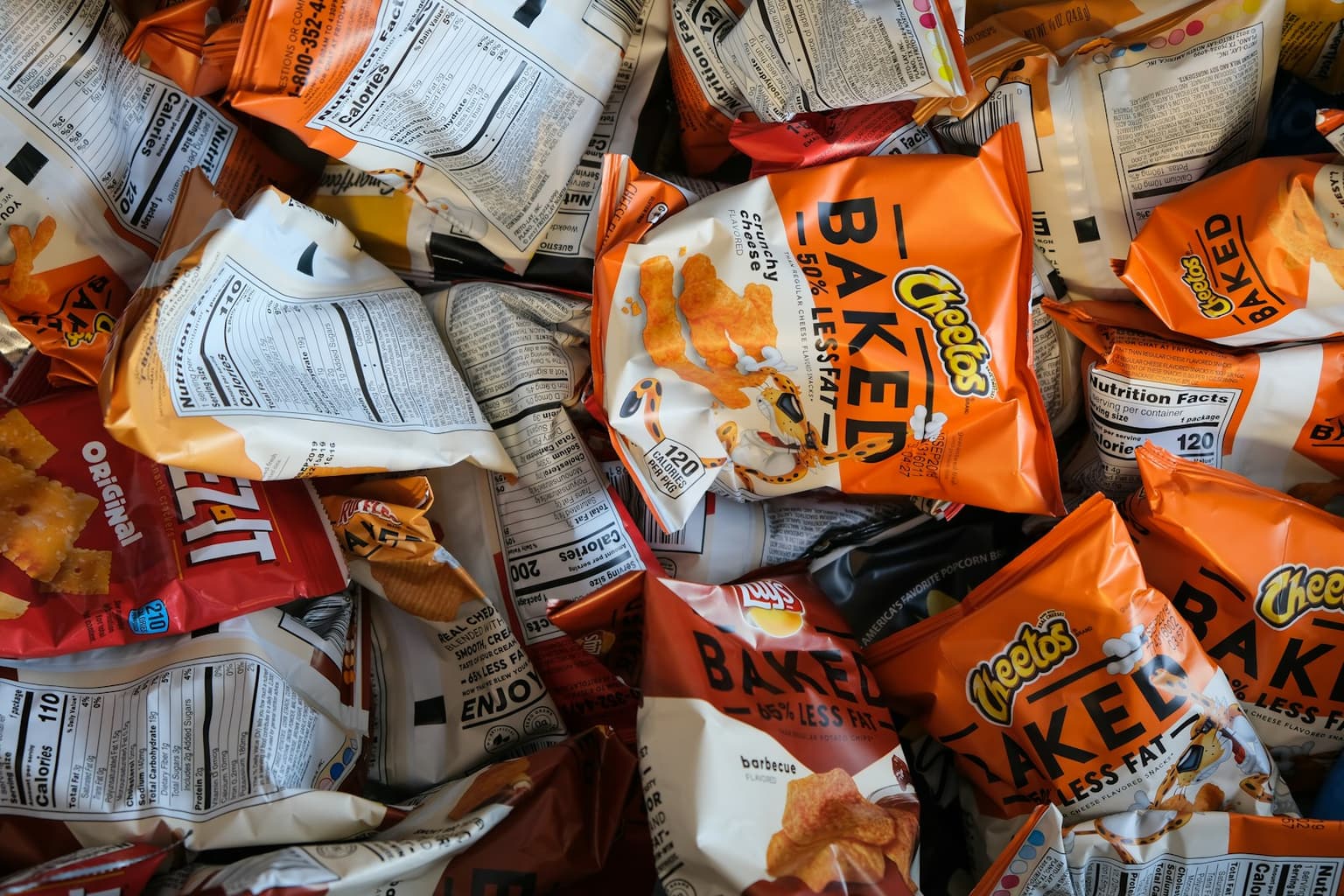
The most common and most powerful trap. Run for 30 minutes and you burn about 300 kcal. But buy a sports drink + a rice ball + a bag of chips at a convenience store after your run, and 400 kcal goes in fast. Look only at the result and you've actually piled on an extra 100 kcal.
Materials from the Korean Society for the Study of Obesity show that, without realizing it, people often eat back more than half the calories they just burned after exercise. "I ran today, so this much is fine" — that thought comes automatically.
How to break through: Decide in advance what you'll eat within an hour of running. About 20 g of protein + 30 g of carbs is enough for recovery.
- 150 g Greek yogurt + 1 banana
- 200 ml soy milk + 1 slice of whole-grain bread + 1 boiled egg
- Protein shake + a handful of cherry tomatoes
⚠️ Caution
The calories-burned figure shown by a running app is usually more than reality. It's safer to assume you burned 20–30% less than the displayed number.
3. Trap ②: Don't Be Fooled by the Number on the Scale
Run consistently and two changes happen in your body at the same time. Fat comes off, but muscle and body water increase in its place. When you exercise, your muscles store energy (glycogen) and hold on to water along with it. So as your training volume rises, the water inside your muscles can be 1–2 kg more.
As a result, even if you lose 2 kg of body fat, if muscle and water rise by 2 kg, the number on the scale stays the same. But your body is definitely in a different state.
4 Metrics to Watch Alongside Weight
| Metric | How often to measure | What it tells you |
|---|---|---|
| Weight | Every morning, fasted | Your whole body's weight (water included) |
| Waist circumference | Once a week | Shows belly-fat changes best |
| Body composition (fat/muscle ratio) | Every 2 weeks to a month | Lets you see fat and muscle separately |
| Mirror/photos | Every 2 weeks | Check body-shape changes with your eyes |
The Korean Society for the Study of Obesity also recommends waist circumference as a key metric for judging obesity. Over 90 cm for men or 85 cm for women is abdominal obesity.
💡 Tip
Weight swings by 1–2 kg even within a day. Measuring daily is fine, but judge by your weekly average. Same time, same clothing, and same scale conditions are the basics.
4. Trap ③: You're Running Too Fast
The belief that "you have to make it hard to lose weight" actually gets in the way of dieting. When you run fast and out of breath, your body draws first on the glucose (glycogen) stored in your muscles instead of fat.
As explained in detail in the Running Diet Guide, to burn fat well you need to run long enough in Zone 2 (a conversational speed, 60–70% of your max heart rate). A speed at which you can exchange words with the person next to you — that's the right answer for a diet run.
What's more, running out of breath every time keeps your stress hormone (cortisol) high. That makes belly fat accumulate more easily. If you run hard but only your belly fat stays put, start by lowering the intensity.
How to break through: Make 80% of your weekly running Zone 2 (conversational speed), and only the other 20% fast. It's the 80/20 rule that even elite runners follow.
5. A 4-Week Reset Plan to Break Through the Plateau
Run the same way for more than 4 weeks and your body gets used to that exercise. Then even running the same amount, it doesn't burn as many calories as before. Below is a reset plan for runners stuck in a plateau.
| Week | Run structure | Strength training | Diet point |
|---|---|---|---|
| Week 1 | Zone 2 (conversational speed) 30 min × 3 | Squats·lunges 15 min × 2 | Get your protein (body weight × 1.2 g) |
| Week 2 | Zone 2 45 min × 3 + interval 20 min × 1 | Full-body strength 20 min × 2 | Cut refined carbs like bread and snacks |
| Week 3 | Zone 2 50 min × 3 + interval 25 min × 1 | Full-body strength 25 min × 2 | Secure 7 hours of sleep |
| Week 4 | Zone 2 60 min × 2 + interval 30 min × 1 + slow recovery run 30 min × 1 | Full-body strength 25 min × 2 | One cheat allowed per week |
The key is mixing up how you exercise. Keep it Zone 2 (conversational speed)-focused but slot in a fast interval once a week, and use strength training to keep your muscle from disappearing. That's how you maintain the energy you use at rest (your basal metabolic rate). Gain 1 kg of muscle and you burn about 13 kcal more a day just sitting still.
📌 Note
Interval example: 1 min fast + 2 min slow, repeated 6 sets. Be sure to include a 5-minute warm-up and cooldown on each end. If your knees are weak, it's good to read the Injury Prevention Guide first.
6. Sleep and Stress Could Be the Hidden Culprits

If your diet and training are fine but the weight still won't come off, the culprit is likely sleep and stress.
- Under 6 hours of sleep: The "I'm full" signal weakens and the "I'm hungry" signal strengthens. You end up eating more than usual without realizing it.
- Ongoing stress: When your stress hormone stays high, belly fat in particular sticks more easily.
- Late-night snacks and drinking: A double blow that disrupts sleep and adds calories.
If running itself has become a burden, switch 1–2 days a week to a recovery run, jogging as slowly as a walk (about 20 minutes), or sharply lower the pressure with the "5-minute rule" from the 30-Day Habit Plan. Once running feels light again, the weight follows on its own.
7. In the End, Fun Is the Answer
The best way to escape a plateau is to make running fun again. A diet you hold on to by willpower alone doesn't last.
- Go to a new course: Instead of the same road every time, change your course to a riverside or park on weekends
- A running mate: Once you have a friend to run with, your routine isn't easily broken
- Missions and challenges: Concrete goals like 15 km a week or 50 km a month ease the boredom
- Run with a character: When Moongti runs along, it feels less like running alone
Try it for yourself in the Wittiz app!
Frequently Asked Questions (FAQ)
How long do I have to run to lose weight?
It varies from person to person, but you need at least 4–6 weeks of consistency before noticeable weight loss begins. The first 2 weeks, your weight goes up and down because of shifts in body water and energy (glycogen). Fat comes off in earnest only from week 3 on. Don't be too impatient.
I run 5 km every day but I'm not losing weight. Why?
If you've been repeating the same distance and speed for over a month, your body has gotten used to that exercise. Rebuild your distance, speed, and strength training with the 4-Week Reset Plan above. Checking your diet alongside it makes the effect much bigger.
My weight actually went up after running. Is that normal?
Yes, it's common. After exercise, as water and energy get stored in your muscles, your weight can temporarily rise 0.5–1 kg. Also, the muscles you worked swell slightly, making the weight look briefly higher. It usually returns within 24–48 hours.
Will I not lose weight if I only run?
You'll lose weight running alone, too. But running only makes you lose muscle along with it, which lowers the energy you use at rest (your basal metabolic rate). That makes yo-yo weight gain more likely. Do squats, lunges, and planks alongside, even just 20 minutes twice a week.
My weight goes up before my period. Is the diet failing?
No. In the premenstrual phase, hormones can increase your body water by 1–2 kg. Medical portals like Hidoc also explain it as "a common phenomenon." Judge by watching over a cycle of more than a month.
Wrapping Up
Breaking through a running-diet plateau comes down to three things: cut the "I worked out, so..." snacks + run at a conversational speed (Zone 2) + do strength training alongside. Add 7 hours of sleep a day and waist-circumference and body-composition checks, and most plateaus clear up within 4 weeks.
Take another look in the mirror today. Maybe a change the scale isn't telling you has already begun. Moongti is cheering you on!

This article was written by the Wittiz team and includes app-related content. For health-related decisions, please be sure to consult a medical professional.